

I have spoken to a lot of investors over the years. People from India, the UK, Russia, Nigeria, Canada, Pakistan, all kinds of places. And when they ask me about Dubai, the conversation usually starts the same way. They say something like, I have been watching this market for a while, I just do not know where to begin.
That is exactly what this guide is for.
Dubai real estate is not complicated once you understand how it works. But there is a lot of noise out there, a lot of half-information, and a lot of people selling projects without really explaining the market. So let me just talk to you straight about what this market is, how you get into it, and what you need to watch out for.
Why Dubai and Why Now
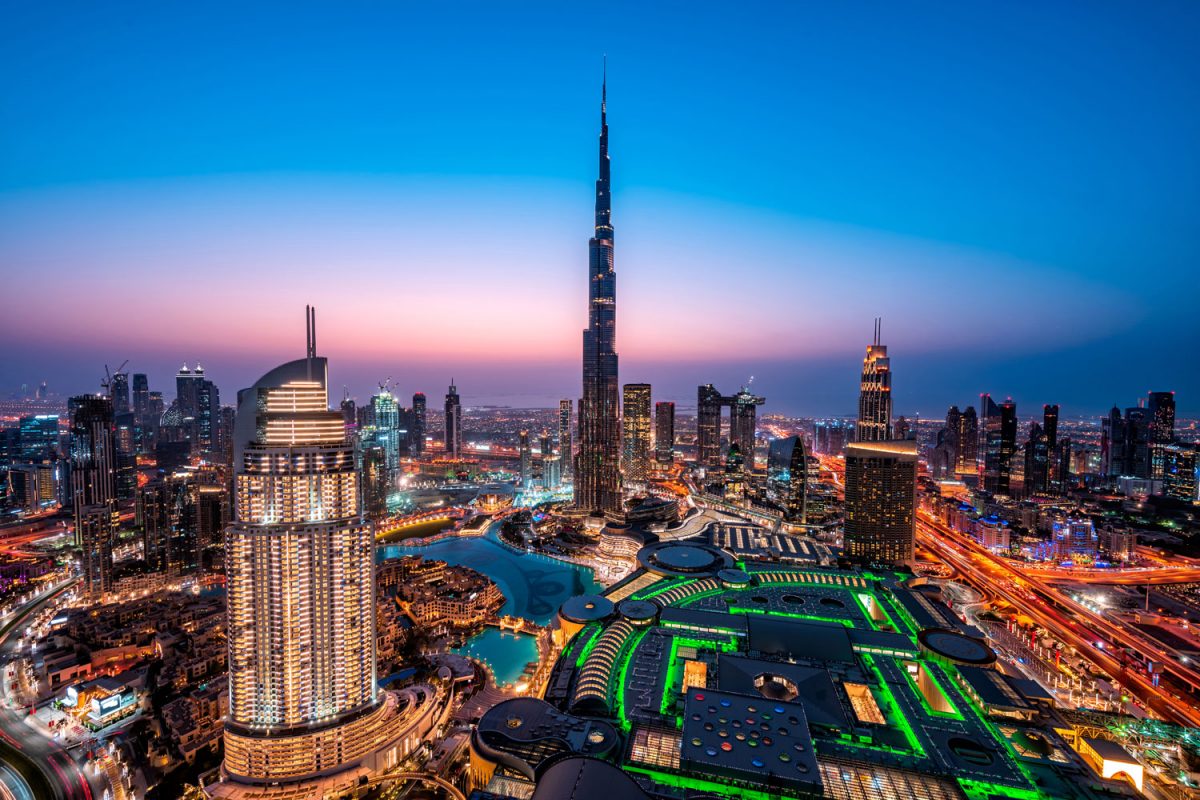
Here is the honest truth. Dubai has been a strong market for years and the people who kept saying the bubble was about to burst have been wrong every single time. That is not because Dubai defies logic. It is because the fundamentals here are genuinely different from most other cities.
There is no income tax. There is no capital gains tax. When you make money on a property in Dubai, that money is yours. All of it. For someone sitting in the UK paying 28% CGT or in India paying tax on rental income, this is a very different experience. The math of your investment changes completely when the government is not taking a share of your returns.
Rental yields here are also real. Not the kind of yield you calculate on paper by being overly optimistic but real, achievable numbers. Good properties in good locations earn between 6% and 9% per year gross. You would not find that in London or Singapore or Sydney. Those markets have been bought up so aggressively that the yield has been squeezed out of them. Dubai still has it.
And the city keeps growing. Nearly four million people call Dubai home today. That number was under two million not that long ago. Every year more people move here for work, for lifestyle, for the tax environment, for the schools. All of those people need somewhere to live. That demand does not go away.
The Golden Visa changed things too. When the UAE started offering ten-year residency to property investors who put in AED 2 million or more, it brought in a completely different kind of buyer. People who used to buy here just for returns started buying here because they actually wanted to live here part of the year or have the option to. That shift deepened the market significantly.
Who Can Actually Buy Here
A lot of people assume there must be restrictions on foreigners buying property in Dubai. There really are not, at least not in the way people imagine.
Foreign nationals can buy freehold property across most of the city’s best locations. You do not need to be a resident. You do not need a UAE sponsor or a local business partner. You do not need to set up a company. You just need to be an adult with the money to buy and the willingness to go through a very standard documentation process.
The areas open to international buyers include Downtown Dubai, Dubai Marina, Business Bay, Dubai Hills Estate, Dubai Creek Harbour, Palm Jumeirah, Jumeirah Village Circle, Emaar South, and a long list of other communities that cover most of what you would actually want to buy in anyway.
If you have been holding back because you assumed the rules were complicated, they are not. The ownership structure here is clean and well protected by law.
Off-Plan or Ready: Which Way Should You Go
This is the first real decision you have to make and it comes down to what you are actually trying to achieve with your investment.
Off-plan means you are buying from a developer before the building is complete. You are buying based on the floor plans, the renders, the location, and the payment schedule. You are not walking into a finished apartment and saying yes I want this one. You are committing to a project that will be delivered in one, two, or sometimes three years.
The reason so many investors prefer this route is straightforward. The prices at launch are lower than what the same unit will be worth when it is finished. You spread your payments across the construction period so you are not putting everything in at once. And if you pick the right project from the right developer in the right location, the appreciation between the day you sign and the day you get your keys can be very meaningful.
Ready properties are a different story. You buy something that already exists, you get the keys quickly, and you start renting it out and earning income right away. There is no waiting, no construction risk, and no uncertainty about what the finished product looks like. For investors who need immediate cash flow or who simply prefer certainty, ready is the better fit.
Most people coming into this market for the first time end up going off-plan because the entry point is more accessible and the payment flexibility is genuinely attractive. But the right answer is always the one that matches your own financial situation and timeline.
How Buying Actually Works
The process is more straightforward than most people expect, especially compared to markets like the UK or India where property transactions can drag on for months with enormous amounts of legal back and forth.
You start by finding the property you want to buy. That means doing your research, shortlisting areas, and identifying specific projects or units that fit your budget and goals. A good agency makes this part significantly faster and saves you from wasting time on projects that look attractive from the outside but do not perform.
Once you have chosen a property, you pay a booking fee to secure your unit. For off-plan this is usually between 5% and 20% of the purchase price. This takes the unit off the market and it is yours. Then you sign the Sales and Purchase Agreement, which is the full legal contract between you and the developer or seller. Read it carefully. Make sure your agent walks you through anything you do not understand.
For ready properties you also sign a Memorandum of Understanding with the seller and pay a 10% deposit to confirm the deal.
The final step is the ownership transfer at the Dubai Land Department. This is where your title deed gets issued in your name and the property legally becomes yours. The DLD charges a 4% transfer fee on the purchase price at this point. It is a one-time cost and it is non-negotiable but it is predictable, so you can factor it into your budget from the start.
The whole market is regulated by RERA, which is the Real Estate Regulatory Agency. RERA exists to protect buyers and sellers and it does a reasonable job of keeping the market transparent and accountable.
How Most People Pay For Their Dubai Property
Some investors pay cash. That is the simplest route and it gives you speed and sometimes negotiating leverage, particularly at project launches where developers occasionally give better pricing to cash buyers.
Mortgages are available to both residents and non-residents through UAE banks and international banks operating here. Non-residents can borrow up to 50% of the property value. Residents buying their first property can go up to 80%. If you are planning to use financing, get a pre-approval before you start seriously looking. It puts you in a much stronger position when you find something you want to move on quickly.
But honestly the most interesting financing option in Dubai is the developer payment plan, and this is something that sets this market apart from almost anywhere else in the world.
Developers here offer structured payment plans where you pay a portion of the price during construction and the rest at handover or sometimes spread over the years after handover. You might see a 60/40 structure where 60% is paid during construction and 40% at completion. Or 70/30. Or even 80/20. Some developers offer two or three year post-handover plans that are essentially interest free financing without any bank involvement.
These plans allow you to control a much larger asset than your immediate available capital would otherwise support. For investors who understand how to use leverage intelligently, this is one of the most powerful tools the Dubai market offers.
Where to Buy in Dubai Right Now

Location is everything and in Dubai that truth is especially sharp because the city has so many distinct communities each with its own character, price point, and investment profile.
Dubai Creek Harbour is one of the most exciting areas in the city right now. It sits along the historic creek with clear views toward Downtown and it is being developed into a full master community with retail, dining, waterfront access, and strong connectivity. Early buyers here have already seen solid appreciation and the area still has significant room to grow as it fills out.
Dubai Hills Estate has become one of the most established and sought after communities in the city. It has a golf course, a major mall, quality schools, and easy access to the rest of the city. Tenants compete for units here and prices have held up strongly over the years.
Business Bay is central, always busy, and consistently delivers strong rental yields. It attracts professionals and young families who want to be close to the action. Occupancy rates stay high and the area maintains very good liquidity if you ever want to sell.
Emaar South and Expo City are the growth story areas right now. Entry prices are more accessible than prime addresses and the infrastructure development around these communities is creating real long-term value for investors patient enough to hold.
Downtown Dubai and Dubai Marina are the established premium addresses. Iconic skylines, strong demand, and deep resale markets make them dependable choices for investors who prioritise stability over maximum yield.
Projects Worth Looking at Right Now
Two developers stand out consistently in the Dubai market for quality, delivery track record, and investment performance. Those are Emaar and Binghatti. Both have live projects right now that are worth your attention.
Emaar
Valia Tower by Emaar at Dubai Creek Harbour

Alva 2 by Emaar at The Valley

Alva by Emaar at The Valley

Terra Woods by Emaar at Expo City
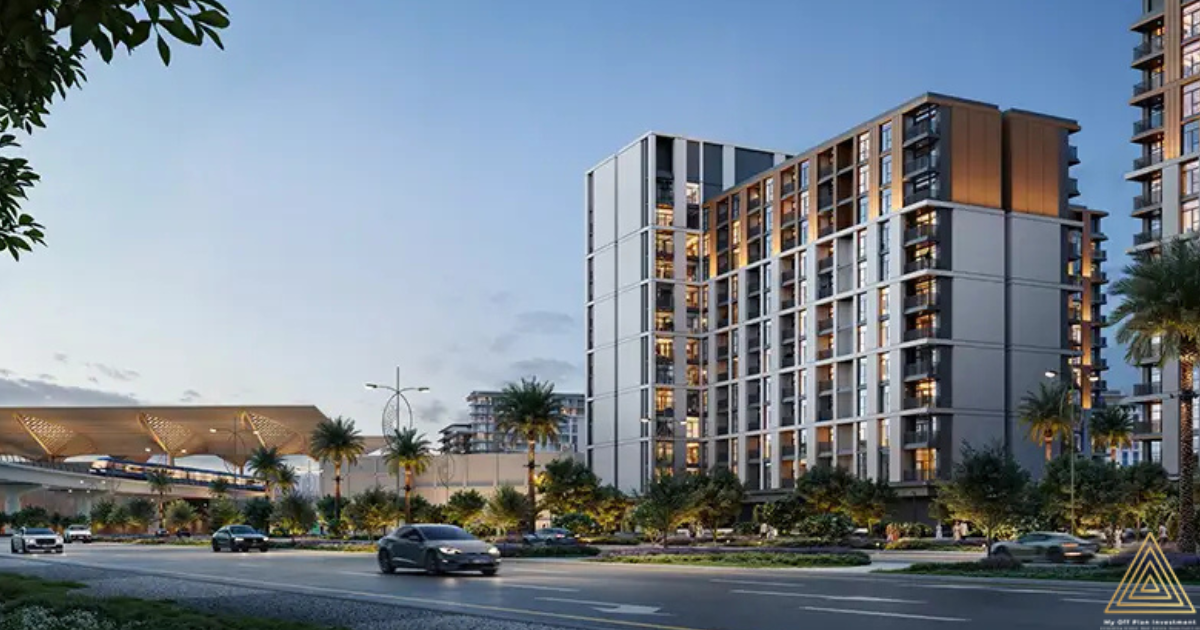
Golf Vale by Emaar at Emaar South

Golf Fields by Emaar at Emaar South
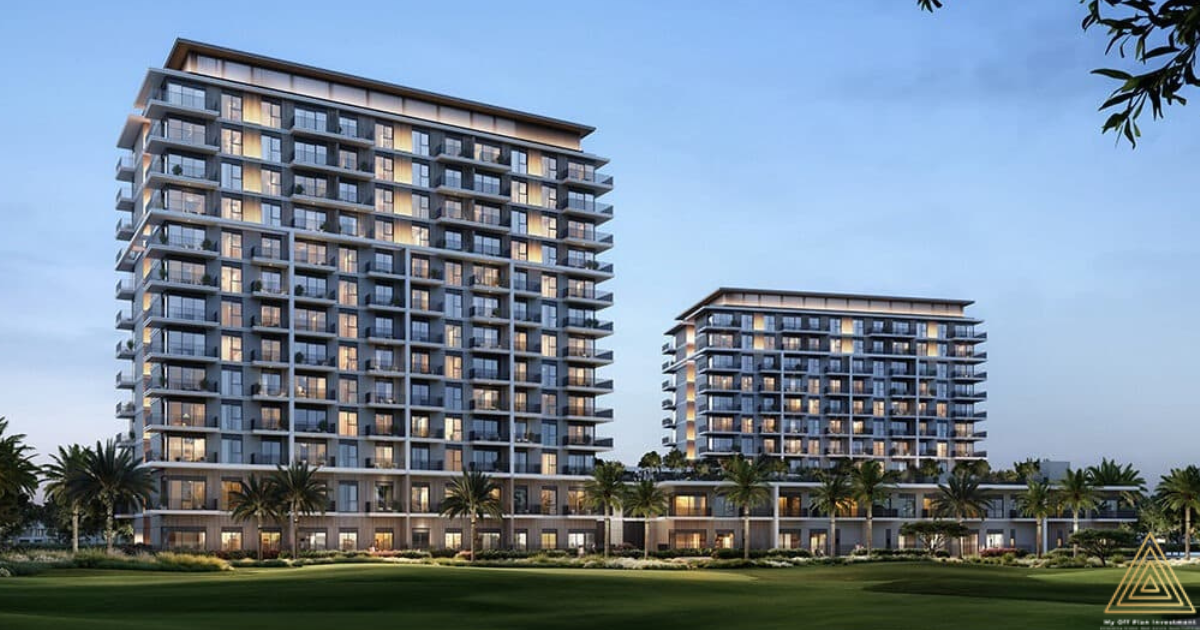
Binghatti
Binghatti Maybach Tower 1

Mercedes-Benz AMG Vision Tower 8

Vision Avtr at Mercedes-Benz Place
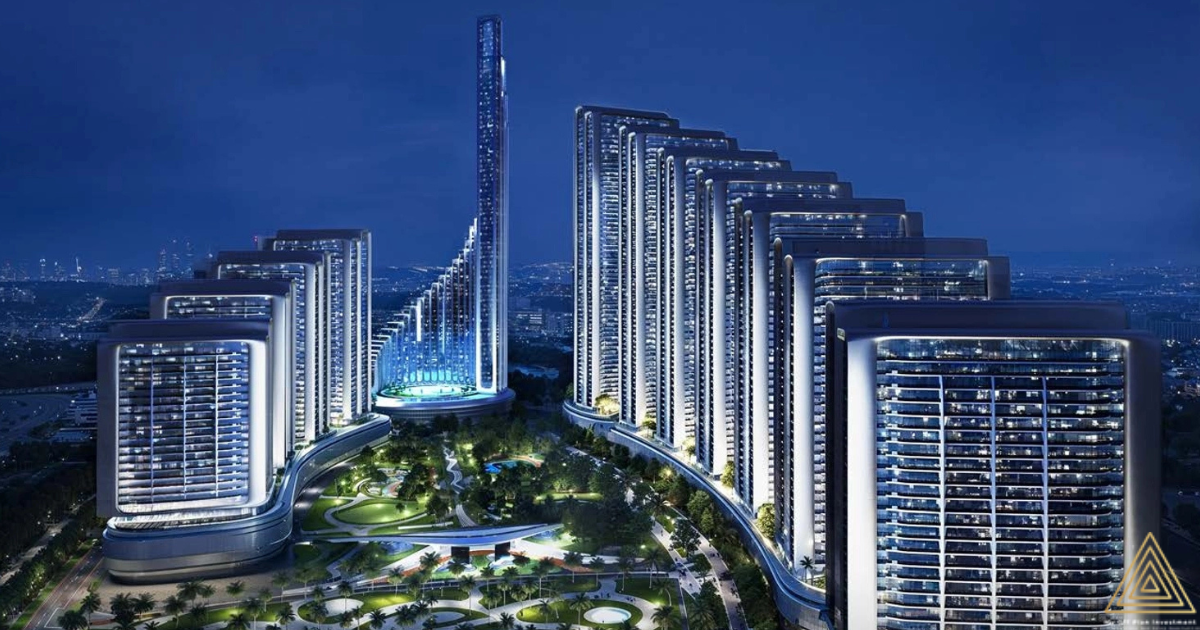
Vision Simplex Mercedes-Benz Place

Vision One Eleven Tower 7
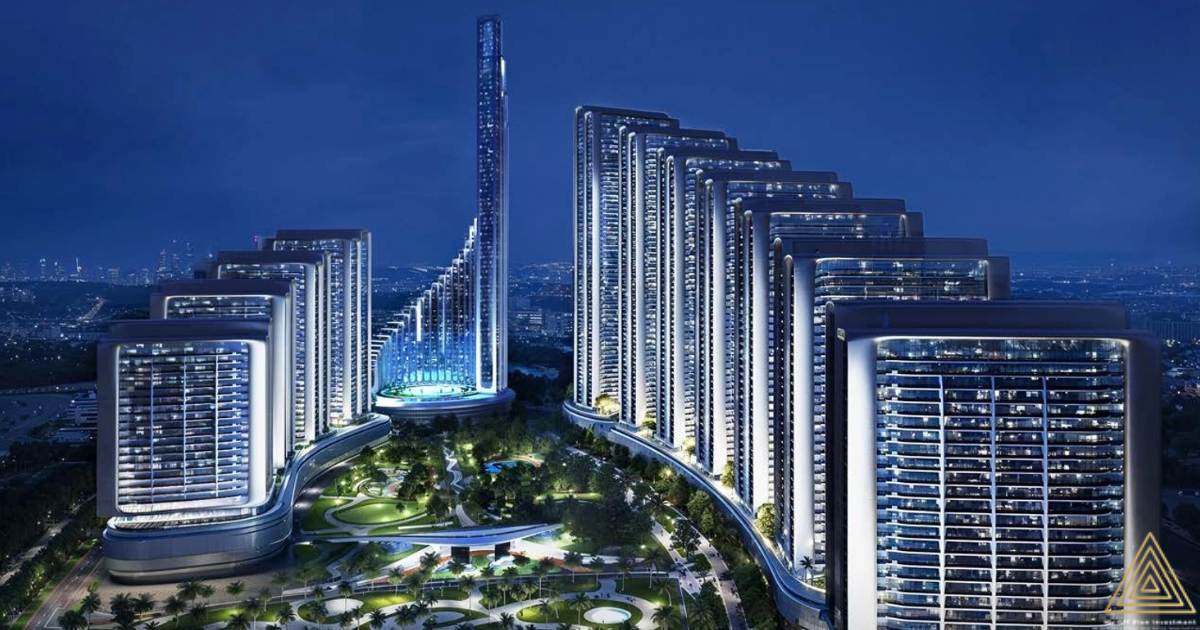
Vision Iconic Tower 6

If any of these catch your eye, the team at My Off Plan Investment can give you the full breakdown on pricing, payment plans, and availability.
What Your Returns Might Actually Look Like
Before you commit to anything, run the numbers. It does not need to be complicated.
Take the annual rent you expect to earn and divide it by the purchase price. Multiply by 100 and you have your gross yield. A property bought for AED 900,000 that rents for AED 72,000 a year earns an 8% gross yield. That is a genuinely strong number.
For net yield, subtract your annual costs first. Those include service charges, management fees if you use a property manager, maintenance, and any vacancy periods. After those deductions, most well-chosen properties in Dubai still deliver net yields of 5% to 7%. Add appreciation on top of that and the total return picture becomes very compelling.
Smaller apartments, studios and one-bedrooms particularly, tend to deliver the highest yields in percentage terms. Larger units in premium locations may yield slightly less but often appreciate faster in absolute price terms.
Mistakes People Make When They First Invest Here
The most common mistake is choosing a property purely on price without thinking seriously about location. A cheap apartment in an area with no rental demand is not an investment. It is a problem waiting to happen. Always research what the tenant market looks like in any area before you commit.
The second mistake is not accounting for all the costs upfront. The 4% DLD fee, a 2% agent commission, service charges, and furnishing costs if you plan to rent the property furnished all add up. None of these are surprises if you plan for them from the start, but they catch people off guard when they have not done the full calculation.
The third mistake is skipping due diligence on the developer. Dubai’s market is regulated but quality varies. Look at what a developer has already built and delivered. Talk to people who bought their earlier projects. A good track record matters enormously.
And the fourth mistake is trying to navigate this market alone without someone who knows it well. The best units in strong launches go fast. You need to be in the right conversation at the right time, and that only happens when you have a team working with you who already has those relationships.
Working With My Off Plan Investment
My Off Plan Investment is a real estate agency built specifically around the Dubai off-plan market. The team has direct relationships with major developers, deep knowledge of which projects are actually worth buying, and a straightforward approach that puts your interests first.
If you are ready to explore what is available or you just want to talk through your options with someone who knows this market properly, reach out to the team at:
Contact Details
My Off-plan Investment
Phone & WhatsApp: +971 50 294 1949
Email: [email protected]


Three years ago, most international property investors looking at the UAE went straight to Dubai....
Dubai's off-plan market is genuinely one of the better places in the world to invest in property....
Abu Dhabi quietly had one of the strongest property markets in the UAE in 2025. Total real estate...
If you are looking at Dubai's waterfront property market right now, two developments keep coming up...

This question comes up constantly. Someone has saved up, they are ready to buy property in Dubai,...

Ask ten Dubai property investors which area is better, JVC or Business Bay, and you will probably...

Indians have been buying property in Dubai for decades. And there is a very good reason for that....

Let me be straight with you. Dubai's off-plan market is genuinely exciting. Prices are lower before...