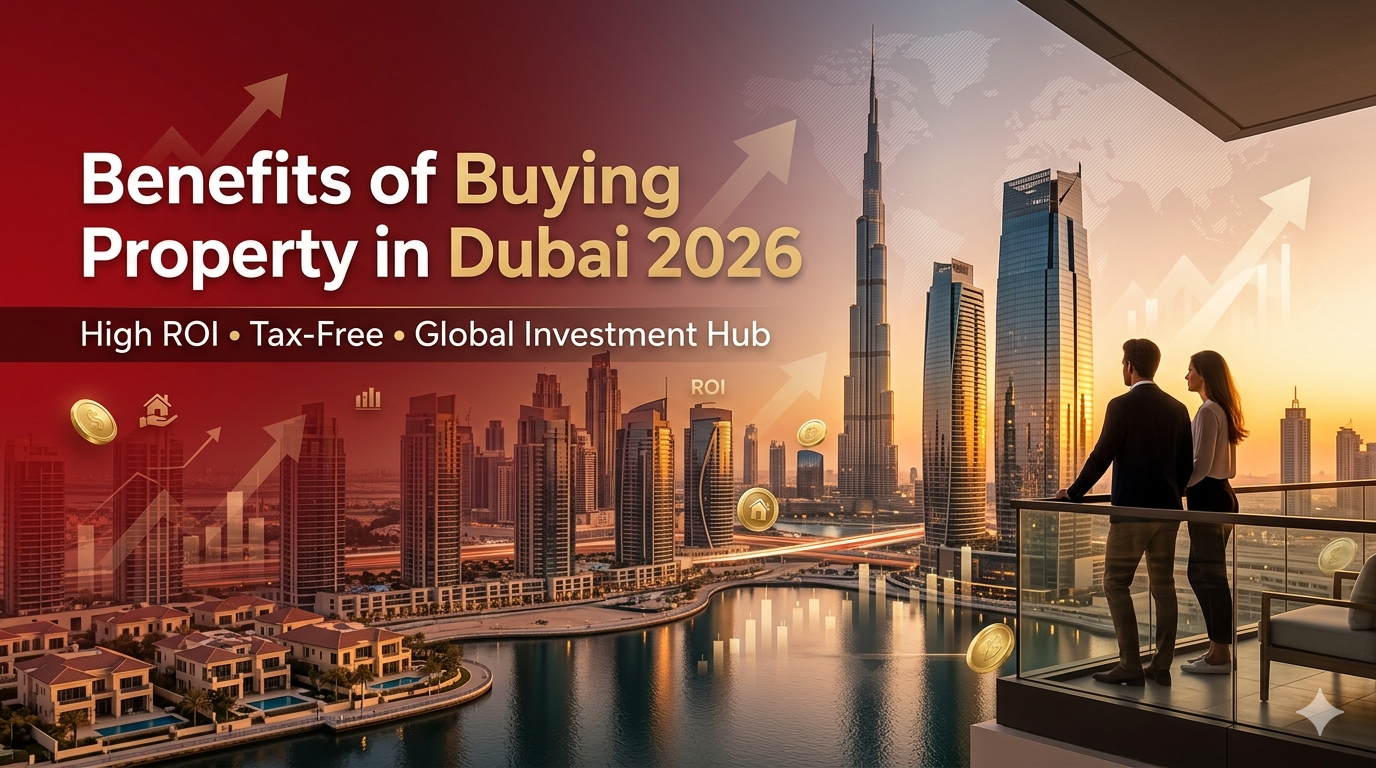
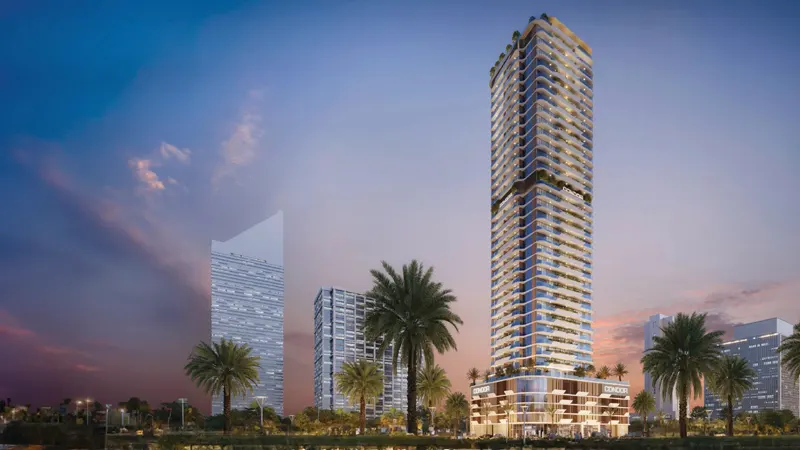
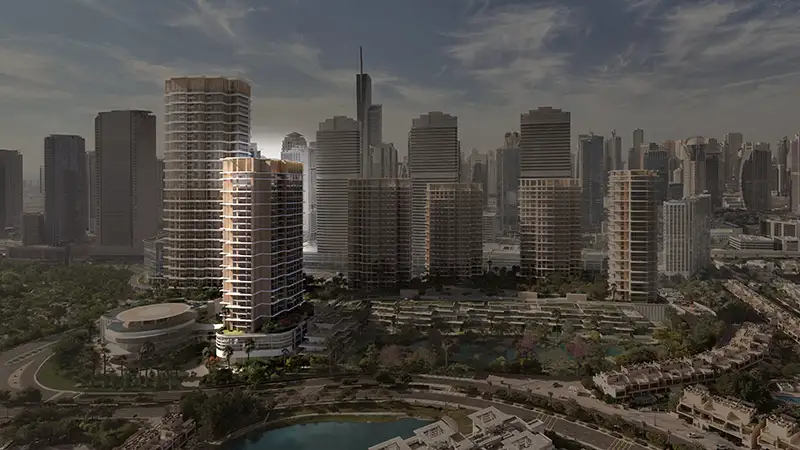
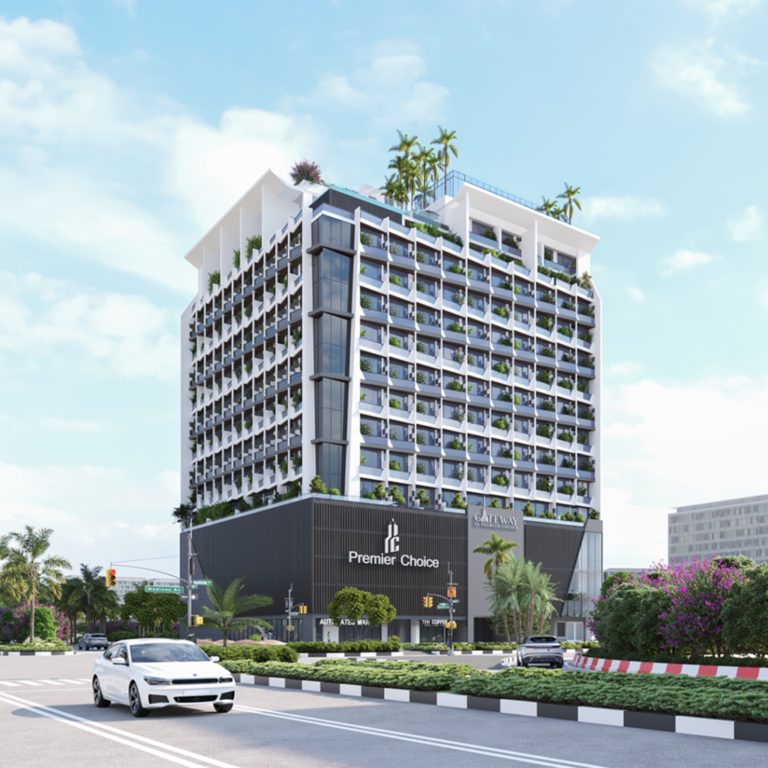
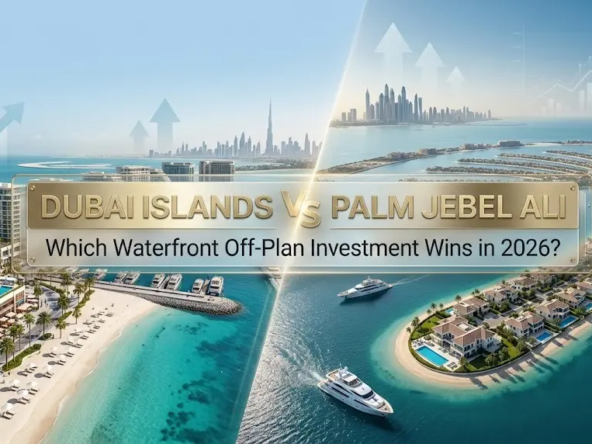
Dubai has quietly become the real estate market that serious investors and everyday buyers keep circling back to. The combination of returns, lifestyle, and long-term security is genuinely difficult to find in one place anywhere else in the world. Whether you are already living in the UAE, considering a move, or purely looking at this from an investment angle, the case for buying property in Dubai in 2026 is stronger than it has been in years.
This guide walks you through the real benefits, the honest tradeoffs, how Dubai stacks up against other major markets, and the questions most buyers eventually ask.
Why Dubai Real Estate is Gaining Global Attention
A decade ago, Dubai was already interesting. Today, it sits in a different category entirely. The city has matured into a fully functioning global investment hub, and the policies around property ownership have kept pace with that growth.
A few things are driving sustained interest from buyers worldwide. The city’s geography puts it within reasonable reach of Europe, Asia, and Africa, which matters for anyone running a business or managing a portfolio across regions. The tax environment remains genuinely clean with no income tax pulling at your returns. Rental yields consistently outperform most comparable cities. And the residency visa pathways tied to property ownership have made Dubai an option for people who previously would not have considered putting down roots here.
Key Benefits of Buying Property in Dubai
- Tax-Free Investment Environment
There is no property tax in Dubai. No capital gains tax. No tax on rental income. For anyone coming from a market like London or New York, where taxes quietly chip away at returns at every stage, this changes the entire calculation. What you earn from your property here is largely what you keep.
- High Rental Yields
Dubai consistently delivers rental returns that most global cities cannot match. The average sits between 6% and 10%, and well-located units in areas like Dubai Marina and Business Bay tend to perform toward the upper end of that range. By comparison, London typically returns somewhere between 2% and 4%, and New York falls in the 3% to 5% range. The gap is not marginal.
- Affordable Luxury Living
This one surprises people who have not looked at the numbers directly. A luxury apartment in Downtown Dubai often comes in below the price of a comparable property in central London. Beachfront villas on Palm Jumeirah, which would command extraordinary premiums in virtually any other coastal city, are still competitively priced by global standards. The value proposition for what you actually get is hard to argue with.
- Residency Visa Benefits
Property investment in Dubai opens doors beyond the transaction itself. Buying at AED 750,000 or above makes you eligible for an investor visa. Cross the AED 2 million threshold, and you qualify for the Golden Visa, which carries significantly more stability and long-term residency rights. For expats already living in the UAE, this can be a meaningful step toward putting down proper roots.
- Strong Infrastructure and Lifestyle
The roads work. The Metro is clean and expanding. Healthcare and education facilities are genuinely world-class. Crime is low enough that it barely registers as a daily concern. And then there is everything else: the beaches, the restaurants, the malls, the year-round sun. Communities like Jumeirah Village Circle and Arabian Ranches have built out enough amenities that families can live well without constantly needing to travel across the city for basics.
- Growing Property Market
Dubai’s population is still climbing. Tourism numbers continue to set records. Business activity is expanding rather than contracting. All of that feeds into property demand in a fairly direct way. For buyers with a long view, the combination of capital appreciation potential and consistent rental income makes a strong case for holding rather than trading.
Pros and Cons of Buying Property in Dubai
Pros
- No property tax
- High rental returns
- Investor-friendly regulations
- Wide range of properties (budget to luxury)
- Strong expat demand
Cons
- Market fluctuations in certain periods
- Service charges and maintenance costs
- Dependence on economic trends
- Some off-plan project risks
Buying Property in Dubai vs Other Global Markets
| Factor |
Dubai |
London |
New York |
| Property Tax |
0% |
High |
High |
| Rental Yield |
6% to 10% |
2% to 4% |
3% to 5% |
| Entry Price |
Moderate |
Very High |
Very High |
| ROI Potential |
High |
Moderate |
Moderate |
| Ownership for Expats |
Yes (Freehold Areas) |
Limited |
Yes |
Key Takeaway:
Dubai offers a combination that is genuinely rare: high returns, a clean tax environment, and accessible entry prices relative to what you get. That is why it appeals to both investors running the numbers and buyers who simply want to live well.
Who Should Buy Property in Dubai?
If you are renting in the UAE and plan to stay for several more years, buying almost always makes more financial sense than continuing to pay someone else’s mortgage. Investors chasing yield will find few markets that compete with what Dubai consistently produces. Expats thinking about long-term residency have a clear and legitimate pathway through property ownership. And for high-net-worth buyers, the luxury end of this market still offers value that comparable cities in Europe or North America simply do not.
FAQs – Buying Property in Dubai
- Is buying property in Dubai a good investment in 2026?
Yes, and the fundamentals back that up. Rental yields are high, there is no property tax, and demand from both residents and investors remains strong. It consistently ranks among the top real estate markets globally for return on investment.
- Can foreigners buy property in Dubai?
Yes. Foreigners can purchase property in designated freehold areas, which include some of the most desirable locations in the city, such as Dubai Marina, Downtown Dubai, and Palm Jumeirah.
- What is the minimum investment required?
Studio apartments in certain areas start from around AED 500,000, though the figure varies depending on location and the type of property you are looking at.
- Do I get residency if I buy property?
Yes. The threshold for an investor visa starts at AED 750,000. Properties valued at AED 2 million or above qualify for the Golden Visa, which offers longer-term residency rights.
- Is it better to buy or rent in Dubai?
For a stay of five years or more, buying tends to work out better financially. You stop paying rent into someone else’s asset, build equity over time, and have the option to generate rental income if your circumstances change.
- What additional costs should I consider?
The Dubai Land Department fee runs at approximately 4% of the purchase price. On top of that, budget for agent commission, ongoing service charges, and general maintenance costs. These are not hidden, but they do affect your net return if left out of the calculation.