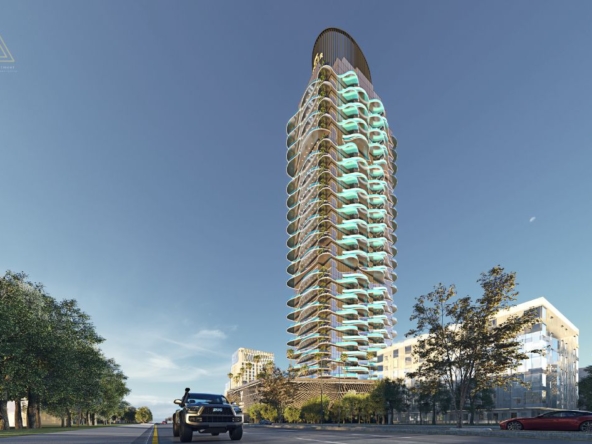
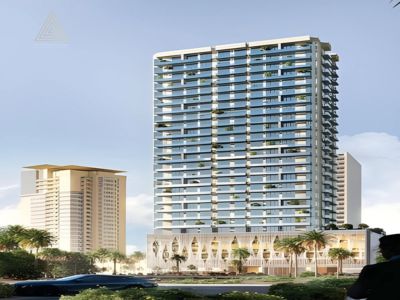
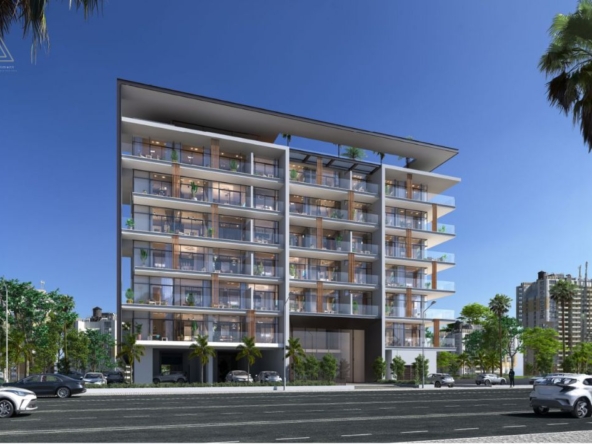
Let me be straightforward with you. Dubai’s property market is loud, crowded, and full of people trying to sell you something. So rather than throwing numbers and buzzwords at you, I want to break this down the way I’d explain it to a friend who’s seriously thinking about buying.
If you’ve been searching for off-plan apartments for sale in Dubai, you’re already asking the right question. The real question is, do you understand what you’re getting into, and does it actually make sense for your situation?
Why Are So Many People Buying Off-Plan?
Nobody wakes up and thinks, “I want to buy something that doesn’t exist yet.” There has to be a real reason people do this, and there is.
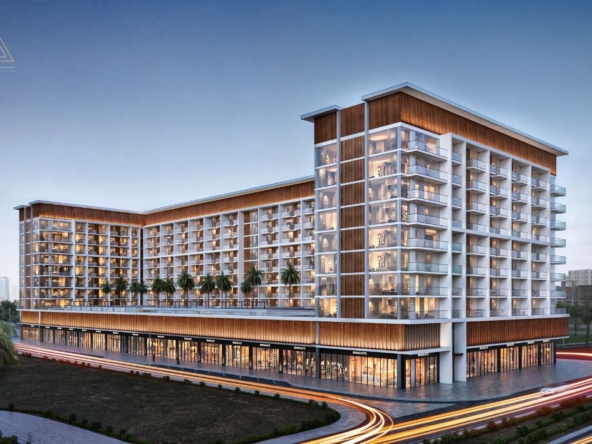
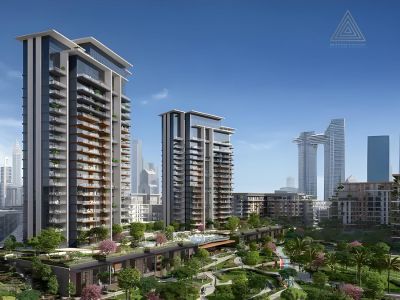
When you buy off-plan apartments in Dubai, you’re getting in before the building is finished. That means the developer is pricing units at today’s value, not what they’ll be worth in two or three years when the project wraps up. For buyers who can’t afford a fully completed apartment or simply don’t want to tie up all their cash at once, this opens a door that would otherwise be shut.
You’re also spreading your payments. Instead of coming up with the full price upfront, you pay in stages as construction moves forward. A booking amount first, usually somewhere between 5% and 10%, and then instalments tied to building milestones. For a lot of buyers, that breathing room makes a genuine difference.
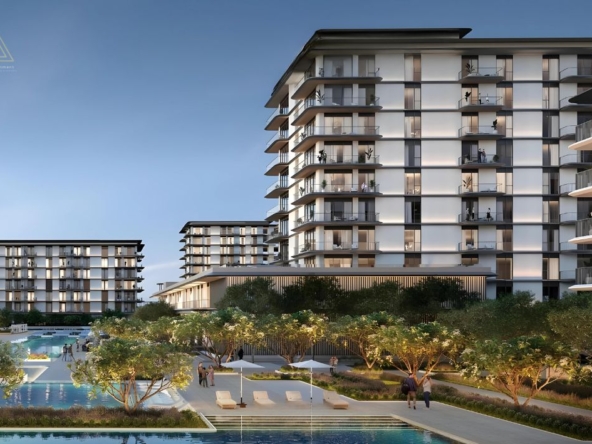
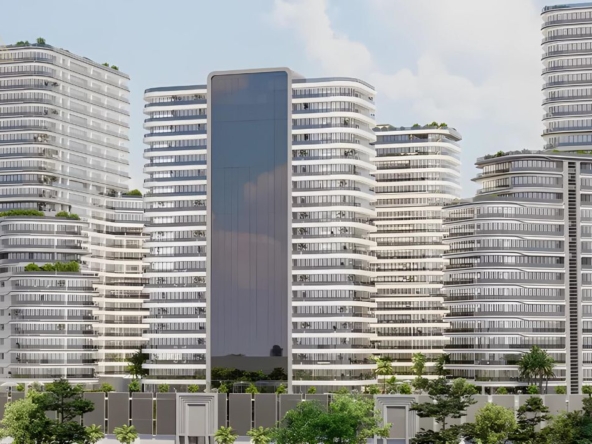
And here’s the thing nobody talks about enough: newer buildings are just better. The layouts are smarter, the fittings are more modern, and the amenities, gyms, pools, co-working areas, and green spaces are built in from the ground up. You’re not retrofitting a 15-year-old building. You’re getting something designed for how people actually live today.
What Kind of Apartments Are We Talking About?
When people search for off-plan apartments for sale in Dubai, they’re not all looking for the same thing, and the market reflects that.
Studios are popular with investors because they’re easier to rent out and the numbers often work well. One and two-bedroom units attract professionals, couples, and younger families who want space without going overboard. Larger apartments, three bedrooms and above, tend to draw families who are planning to stay long-term.
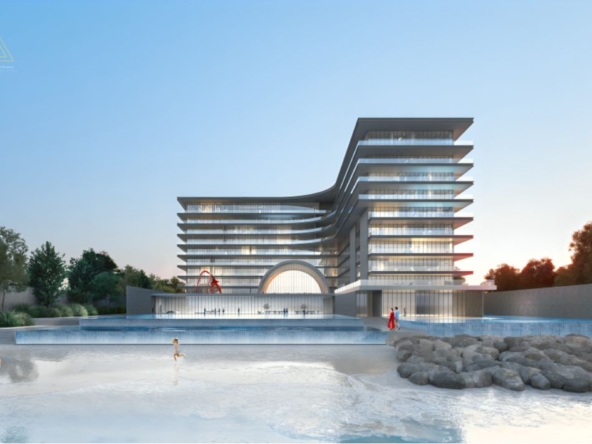
Then there’s the premium end: waterfront apartments, high-floor units with skyline views, residences in branded buildings. These come at a higher price point, but the demand stays consistent because Dubai keeps pulling in high-net-worth residents from around the world.
Where Should You Actually Be Looking?
Location is everything. Seriously. Two identical apartments in different parts of the city can have very different futures.
Here’s what I’d say about the main areas where off-plan apartment buyers in Dubai tend to focus on the following:
Dubai Marina has been a strong market for years. It’s walkable, it’s waterfront, and rental demand there is consistent. If you’re buying as an investment, this one has a track record.
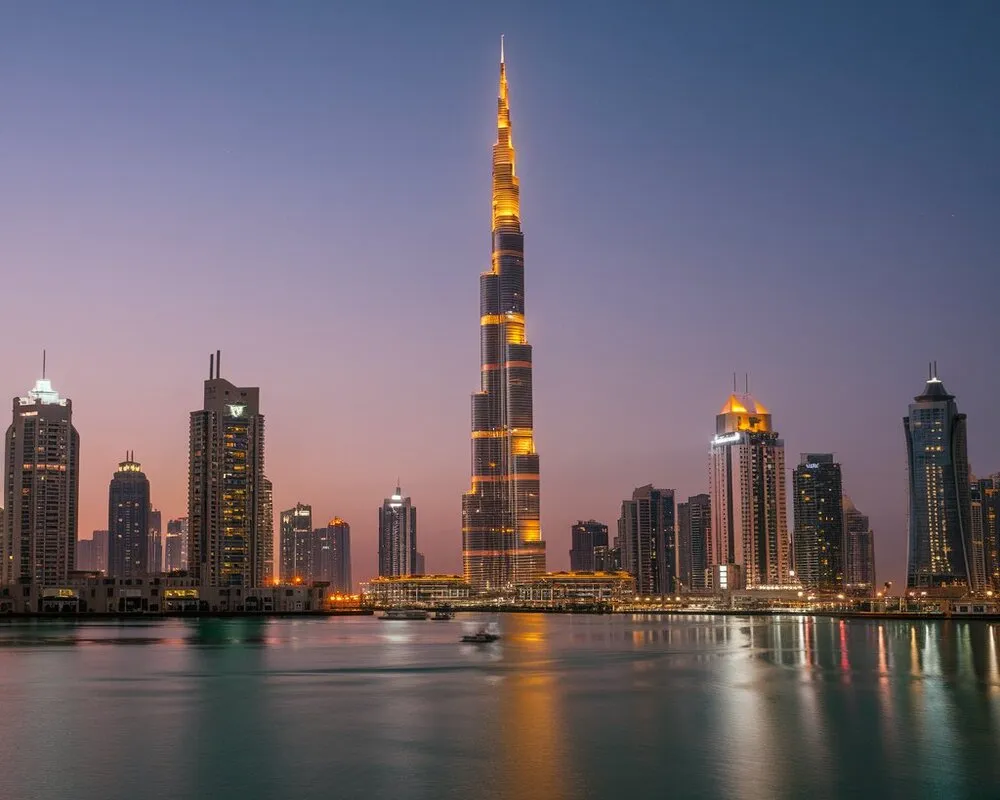
Downtown Dubai is central and iconic. Properties here hold their value well, partly because the location doesn’t lose relevance; it’s the commercial and cultural heart of the city.
Jumeirah Village Circle is where a lot of first-time buyers and smaller investors land. It’s more affordable, the community is growing, and it’s getting better connected as infrastructure catches up.
Dubai Hills Estate feels suburban in the best sense, with proper parks, good schools nearby, and quieter streets. Families gravitate here for a reason.
Business Bay sits right next to Downtown and pulls in professionals who want to be close to work. It’s dense, it’s active, and it’s developed fast over the past decade.
None of these is universally “the best.” The right one depends on what you’re buying for and how you plan to use it.
The Buying Process
People sometimes assume buying off-plan apartments for sale in Dubai is complicated. It really isn’t, once someone explains it properly.
You find the project you want and pick your unit. You pay the booking deposit, which is typically 5% to 10%. You sign the Sales Purchase Agreement, which is the main legal document between you and the developer. The property gets registered with the Dubai Land Department. Then you follow the payment schedule as construction progresses. The final payment lands at handover; you get your ownership documents, and the apartment is yours.
One thing worth knowing: your payments during construction go into an escrow account, not directly to the developer. This is regulated by law in Dubai. It means your money is protected and can only be released to the developer as construction hits verified milestones. That’s a meaningful safeguard.
Dubai’s Bigger Picture — Why It Keeps Attracting Buyers
People looking at off-plan apartments in Dubai for sale aren’t just buying a unit. They’re buying into a city that’s been growing fast and hasn’t shown signs of slowing down.
There’s no income tax here. No capital gains tax on property. Rental yields in Dubai consistently outperform many Western cities. The government has been actively expanding infrastructure, public transport, and community development across the emirate. And the population keeps growing, which means ongoing demand for housing.
That combination is why Dubai keeps pulling in buyers from Europe, Asia, the Middle East, and beyond. The fundamentals are solid.
Questions Worth Asking Before You Commit
I’d be doing you a disservice if I made this sound like a no-brainer with zero risk. There are things you should look into carefully.
Who is the developer, and have they actually delivered projects on time before? A developer’s history matters a lot. There are some excellent ones in Dubai and some that have had problems; do the research.
What’s the expected completion date, and what happens if it slips? Most contracts include provisions for delays, but you want to understand what those provisions actually say.
Does the payment plan fit your actual cash flow, not just on paper but realistically? Be honest with yourself about what you can manage comfortably over the next two or three years.
What’s the plan for the surrounding area? A great apartment in a location that doesn’t develop well around it won’t perform the way you hope.
These questions don’t make off-plan buying a bad idea. They just make you a better-prepared buyer.
How We Can Help You
We work with buyers who are exploring off-plan apartments for sale in Dubai and trying to cut through the noise. We don’t push particular projects or rush you toward a decision.
What we do is show you what’s genuinely available, walk through payment structures in plain language, and give you honest timelines so you know what to expect and when.
If something doesn’t suit your situation, we’ll tell you that too. The goal is for you to end up with something that actually works, not just something that looks good in a brochure.
Take your time. Ask every question you have. That’s what we’re here for.
Common Questions
Is buying off plan in Dubai safe for foreign buyers?
Yes. Non-UAE nationals can buy in designated freehold zones, and there are legal protections in place – escrow accounts, Oqood registration, and regulatory oversight. It’s one of the more transparent markets in the region.
How much do I need to get started?
Most developers ask for 5% to 10% as an initial deposit. The rest is paid in instalments over the construction period.
Can I sell my apartment before it’s finished?
In most cases, yes. Reselling before handover is common in Dubai, provided you’ve paid a certain percentage of the total price, usually around 30% to 40%, though this varies by developer.
What if the developer delays the project?
Your Sales Purchase Agreement will outline what happens in that scenario. Dubai’s regulatory bodies also provide some oversight, but it’s worth understanding your specific contract.
Will prices go up between purchase and completion?
They often do, particularly in high-demand areas and with reputable developers. But property values can fluctuate, so don’t buy purely on speculation; make sure the purchase makes sense for you regardless.
Reach Out Anytime 📞 Phone & WhatsApp: +971 50 294 1949 📧 Email: [email protected]