
Dubai has its own way of impressing people. It’s modern, spotless, extremely safe, and you don’t lose a chunk of your salary to income tax every month. Naturally, that pulls in professionals, families, and investors from everywhere.
But before making the move, or buying a home, you need a realistic idea of what everyday life actually costs here.
For those who relocate to Dubai, the jump in lifestyle is obvious. Better salaries, smoother systems, more opportunities. But yes, a few things hit the wallet harder than back home, especially rent and school fees. Knowing these things early makes settling in much easier.
This guide walks through the main expenses and also explains why so many expats eventually look at property investment instead of paying rent forever.
Why Dubai’s Costs Feel High, Yet People Still Choose It
Dubai has one very simple financial advantage: you keep all your earnings. No income tax, no deductions. What’s on your contract is what reaches your account.
On top of that, the city offers things people don’t compromise on:
- Reliable transport
- Quality hospitals and clinics
- International schools
- A safe atmosphere practically everywhere
- And a large Indian population that makes the city instantly comfortable
When you put all this together, the higher expenses start feeling justified. People don’t only come here for money; they come for stability, comfort, and long-term prospects.
Housing: The Biggest Expense You’ll Deal With
Rent takes the biggest bite out of the budget. Prices vary a lot depending on the area and building.
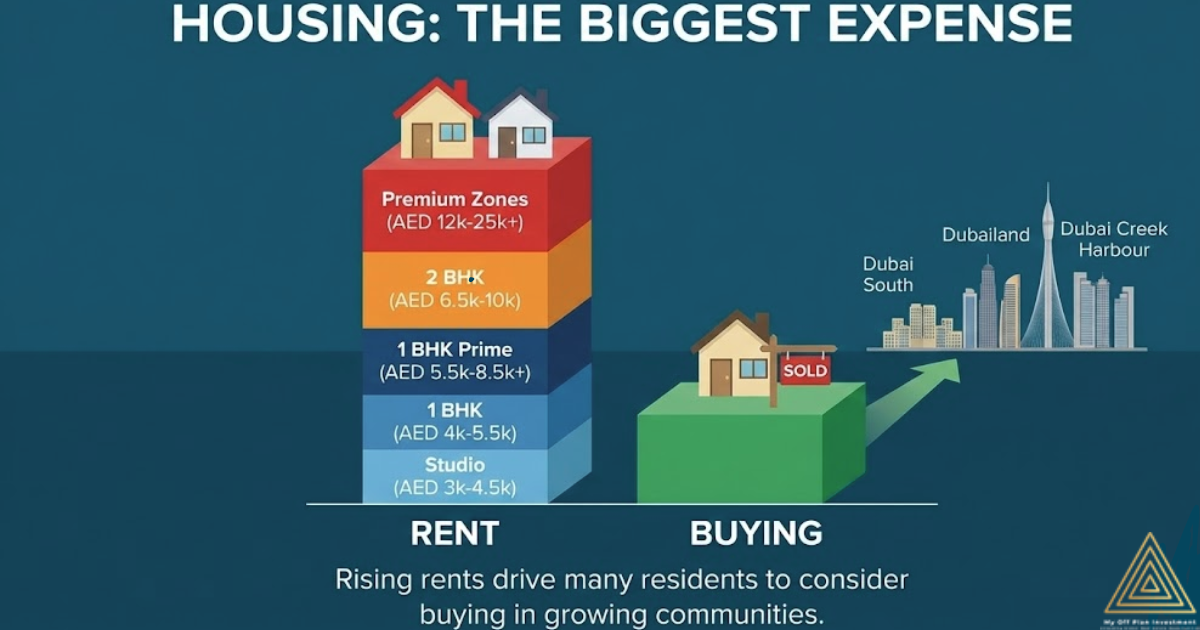
Approximate Monthly Rents
- Studio (outer communities): AED 3,000–4,500
- 1 BHK in regular areas: AED 4,000–5,500
- 1 BHK in prime neighbourhoods: AED 5,500–8,500+
- 2 BHK in mid-range areas: AED 6,500–10,000
- Premium zones like Marina, Downtown, Palm: AED 12,000–25,000+
As rents rise each year, many residents eventually look at buying instead of renewing leases over and over. Communities like Dubai South, Dubailand, Town Square, Dubai Creek Harbour and similar developments are gaining attention for that reason.
Transport Costs in Dubai
The Metro is clean and reliable; buses and trams fill the remaining gaps, so getting around is easy.
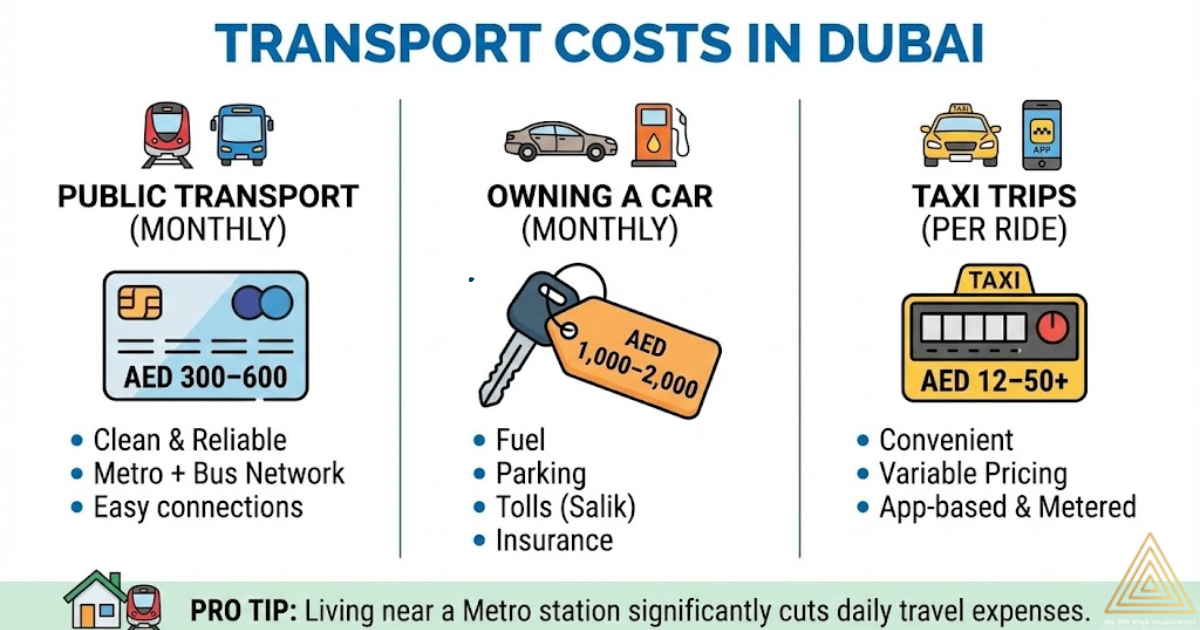
Typical monthly spending:
- Metro + bus: AED 300–600
- Owning a car: AED 1,000–2,000 (fuel, parking, tolls, Insurance)
- Taxi trips: AED 12–50+ each
Grocery and Food Costs
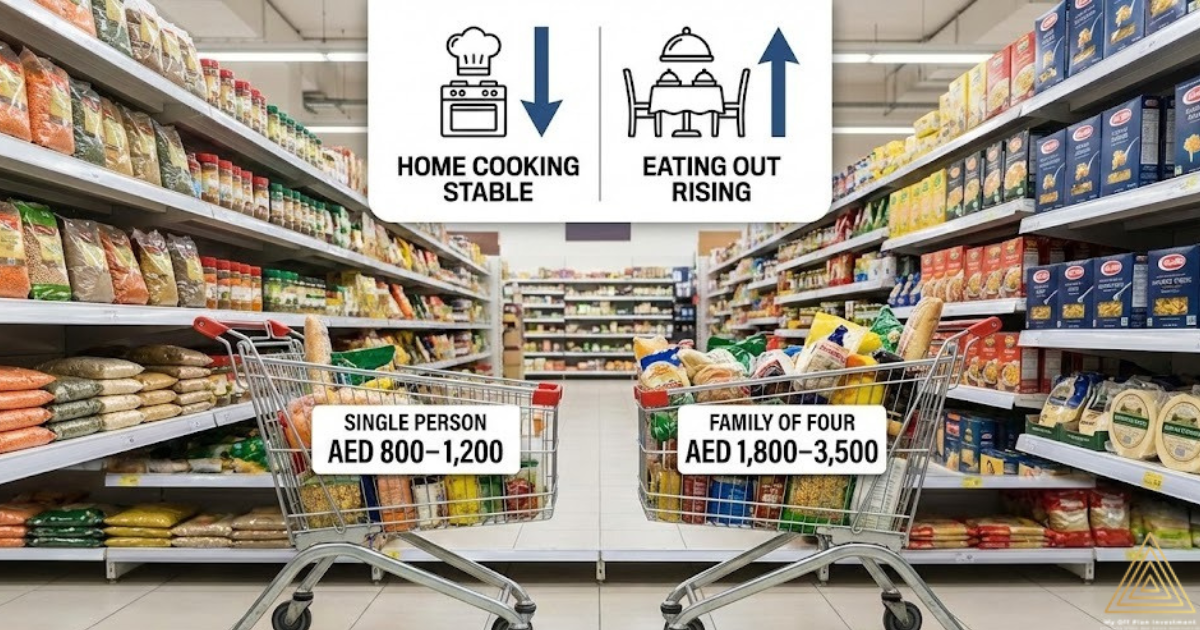
Supermarkets offer everything — from Indian staples to European brands. Imported items cost more, though.
- A single person usually spends AED 800–1,200 a month
- A family of four ends up in the AED 1,800–3,500 range
Cooking at home keeps costs stable. Eating out often will do the opposite.
Utilities and Internet
Electricity, water, and cooling form the base of your utility bill, and cooling is always the biggest share, thanks to Dubai’s climate.
- Utilities: AED 400–1,200 monthly
- Internet/TV packages: AED 300–500
Schooling Costs
Schools aren’t cheap, but the quality is strong.
- Budget options: AED 12,000–25,000 per year
- Higher-end schools: AED 35,000–90,000+ per year
Healthcare and Insurance Costs
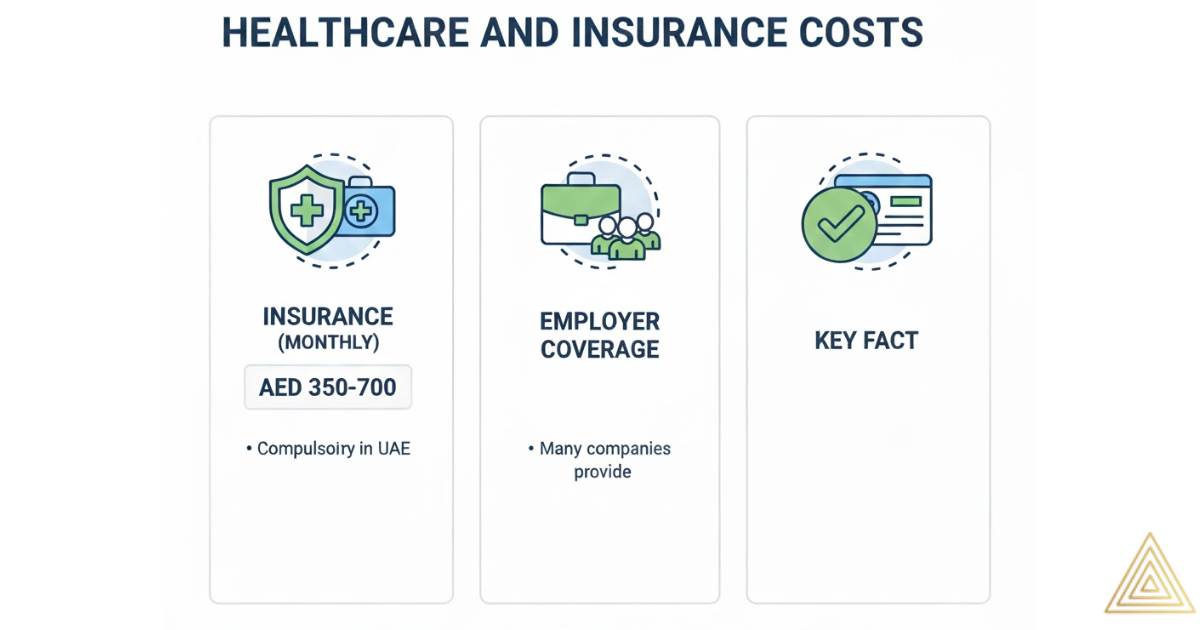
Insurance is compulsory.
- Basic plans start at AED 350–700 a month
- Many companies handle insurance entirely for employees
Salary vs. Living Cost: What’s Comfortable?
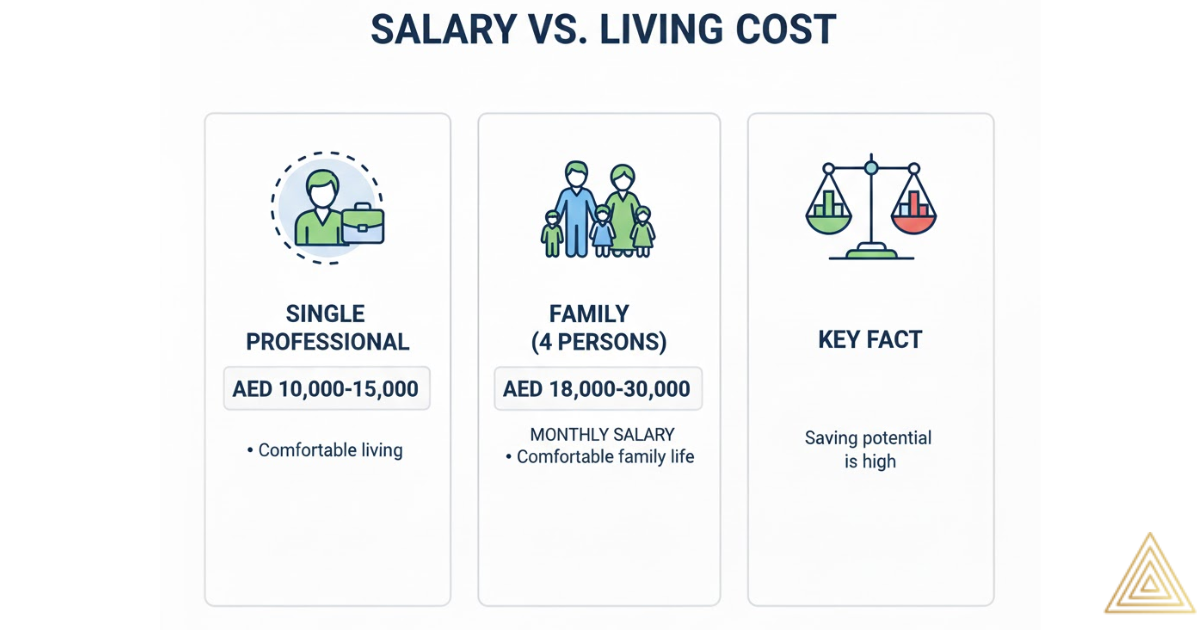
- Single professional: AED 10,000–15,000
- Family: AED 18,000–30,000
Your savings improve naturally because of:
- No income tax
- Higher earning potential
- The option to switch from renting to owning
Why Many Residents Eventually Buy Property
Owning a home in Dubai helps you:
- Stop paying higher rent each year
- Build equity
- Earn rental income if you choose
- Hold a long-term asset in a fast-growing market
Off-plan projects remain popular because of flexible payment plans and lower initial prices.
Dubai South, Dubailand, Dubai Creek Harbour, Town Square, and similar communities continue to attract buyers for this reason.
FAQ
What salary is comfortable for Dubai?
A single person can manage well on AED 10,000–12,000. Families usually need AED 18,000–30,000, depending on where they want to live.
Is Dubai more expensive than India?
Yes, but the no-tax income and better earnings often balance things out.
How much does a 1-bedroom apartment cost to rent?
Anything from AED 3,500 on the outskirts to AED 8,500 or more in central neighbourhoods.
Can you actually save money in Dubai?
If you manage your rent and transportation, yes — many expats save more here than in Indian metros.
Which areas are affordable?
Dubai South, Dubailand, Town Square, the Dubai Land Residence Complex, and Dubai Investment Park.
Is buying better than renting?
For long-term residents, usually yes. Off-plan options make it easier to start.
What are the grocery costs for one person?
Usually around AED 800–1,200 a month.
Do expats pay income tax?
No. Dubai does not tax individual income.
How much does health insurance cost?
Entry-level plans start around AED 350 a month, and many employers cover them.
Is Dubai good for long-term living?
Yes, it’s safe, modern, organised, and offers plenty of career and investment opportunities.
If you are considering purchasing property, you can explore areas such as:
Residential Communities in Dubai
Off-Plan Properties in Dubai South City
Best Off-Plan Projects in Dubai Maritime City
Off Plan Projects in Dubai Creek
Property for Sale in Dubai Hills Estate
Dubai Land Residence Complex Off Plan
Dubai Investment Park Off-Plan Projects
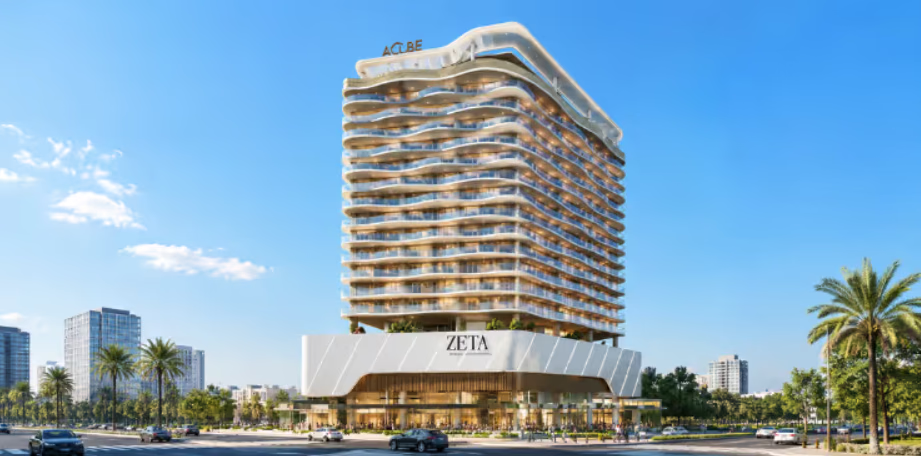
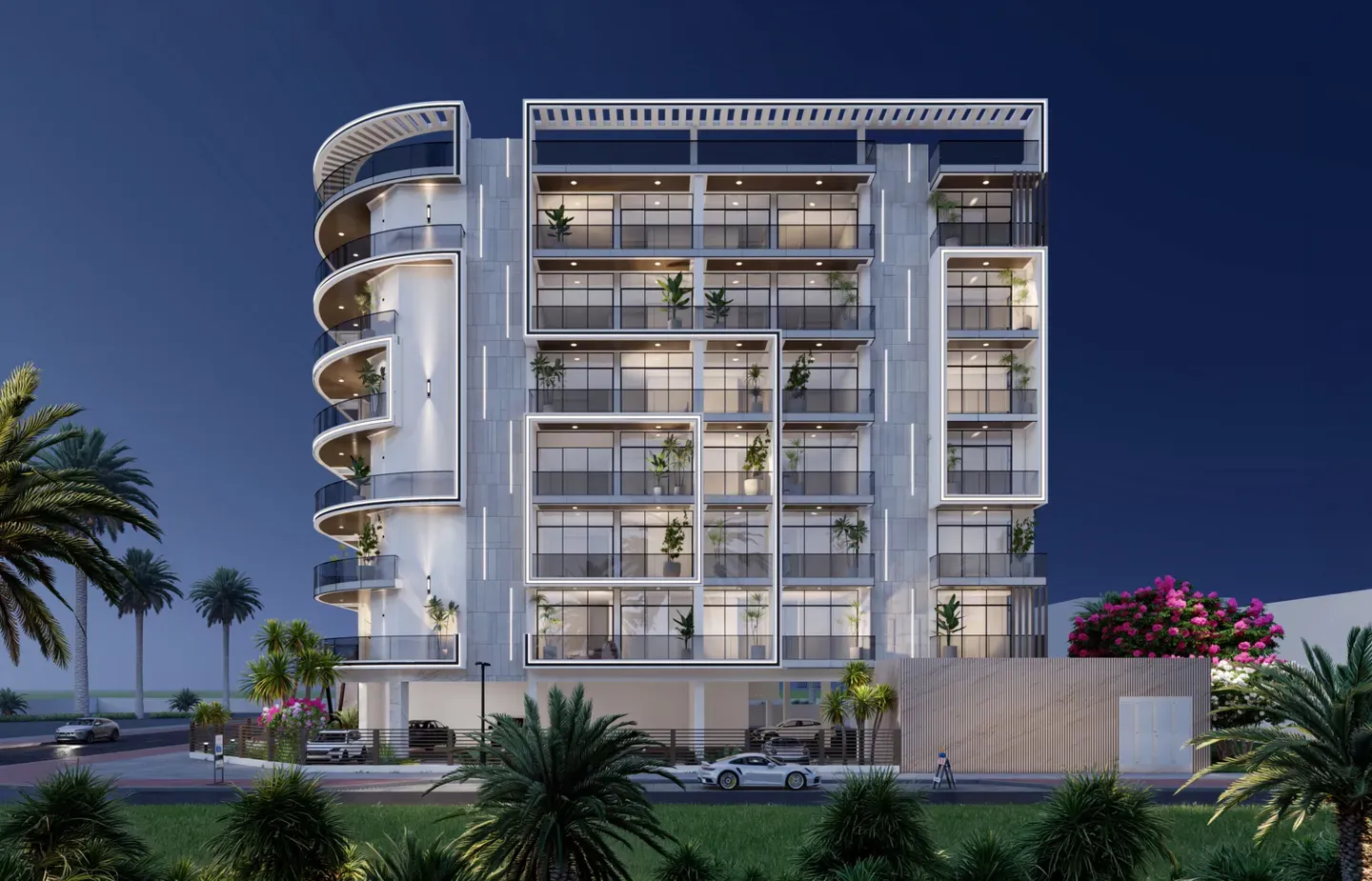
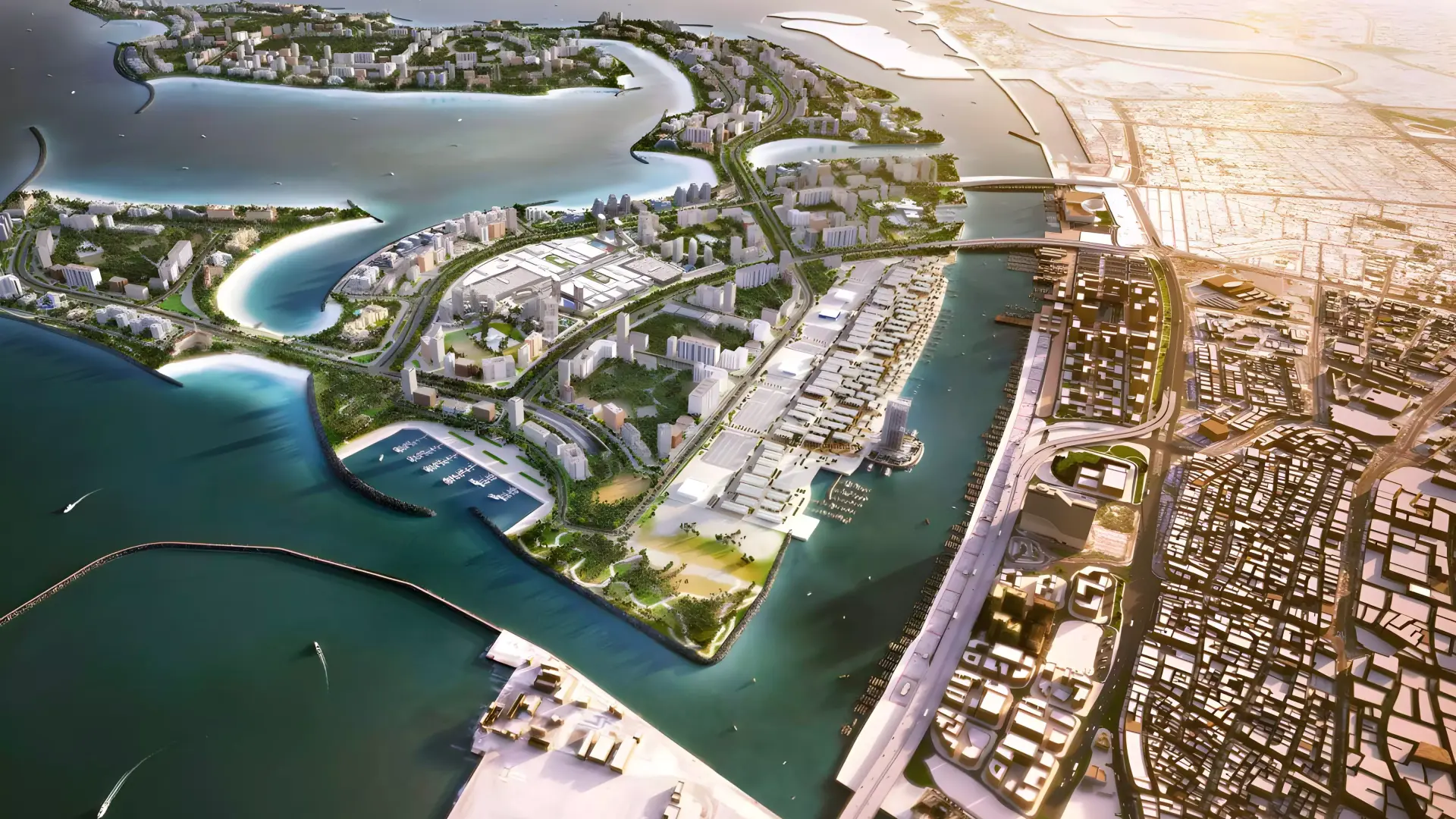






Three years ago, most international property investors looking at the UAE went straight to Dubai....

Dubai's off-plan market is genuinely one of the better places in the world to invest in property....

Abu Dhabi quietly had one of the strongest property markets in the UAE in 2025. Total real estate...
If you are looking at Dubai's waterfront property market right now, two developments keep coming up...

This question comes up constantly. Someone has saved up, they are ready to buy property in Dubai,...

Ask ten Dubai property investors which area is better, JVC or Business Bay, and you will probably...

Indians have been buying property in Dubai for decades. And there is a very good reason for that....

Let me be straight with you. Dubai's off-plan market is genuinely exciting. Prices are lower before...